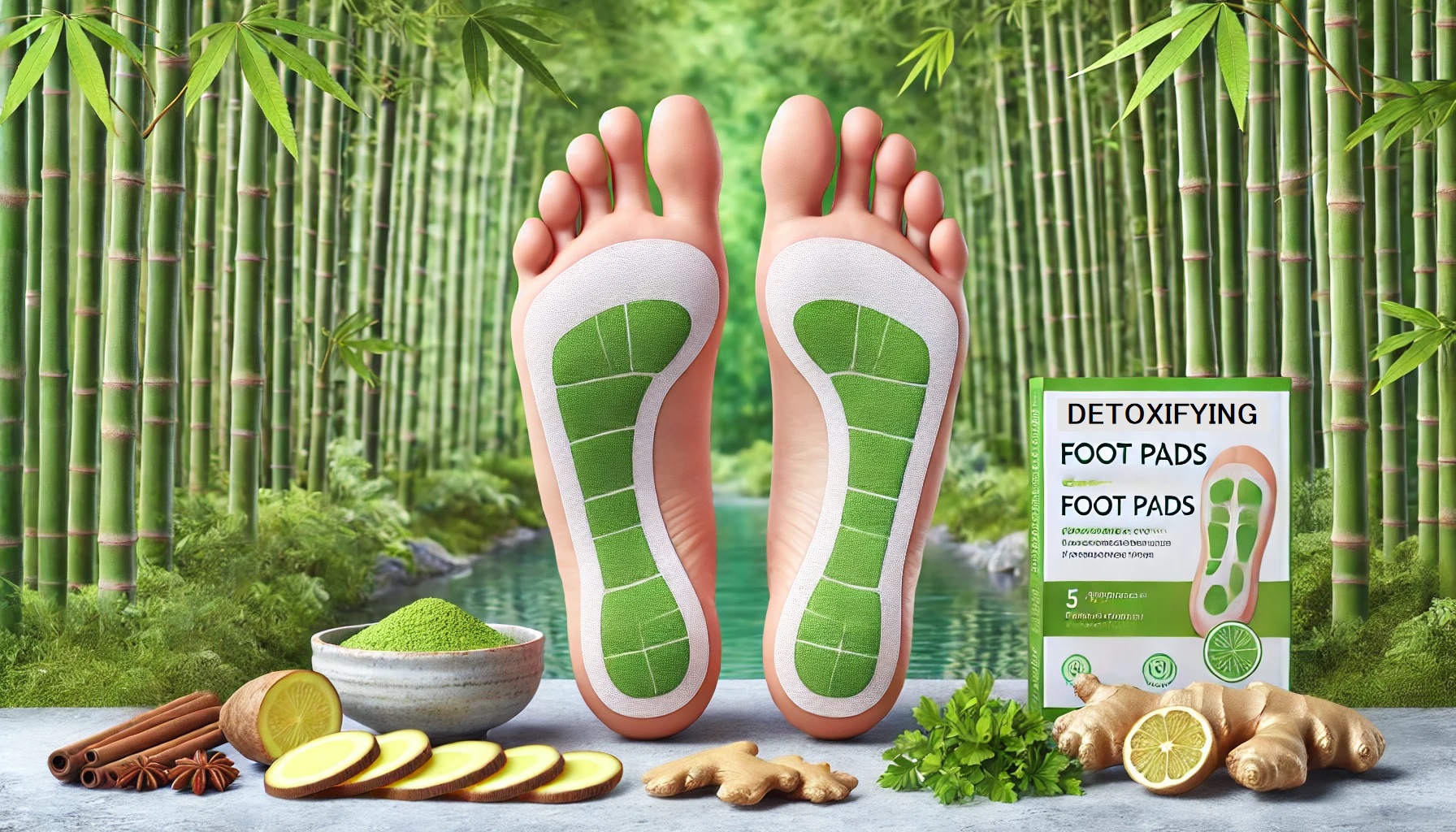
The popularity of detox foot pads has surged in recent years, with many people turning to them as a way to cleanse their bodies, improve sleep, and support overall health. These pads, often marketed as a quick and convenient Nuubu Foot Patches solution for detoxification, claim to draw out toxins through the soles of the feet, leaving users with a feeling of well-being and improved circulation. However, as the demand for these products grows, so does the need to consider their environmental impact.
While detox foot pads are often touted for their health benefits, the sustainability of these products is an important factor that warrants closer examination. From their materials to their disposal, it’s essential to assess whether these products are truly eco-friendly or if their use contributes to environmental harm.
Materials Used in Detox Foot Pads
Most detox foot pads are made from a combination of synthetic materials, including non-woven fabric, plastic components, and adhesive strips that allow them to stick to the feet during use. The majority of these materials are non-biodegradable, meaning they don’t break down easily in landfills. As a result, when used frequently, detox foot pads contribute to plastic pollution, which is a growing environmental concern worldwide.
Although many detox foot pads claim to contain natural ingredients like bamboo vinegar, tourmaline, and herbal extracts, the environmental benefits of these ingredients can be overshadowed by the synthetic materials used in the pads themselves. Bamboo, for example, is often lauded for its sustainability, as it is a rapidly renewable resource. However, when combined with non-biodegradable fabrics and plastics, the overall environmental impact of the product is lessened.
Moreover, the manufacturing process of detox foot pads can involve chemicals or synthetic additives to enhance their performance or preserve their shelf life. These chemicals may not only have an environmental impact but can also pose a risk to human health. For instance, some foot pads contain preservatives or synthetic fragrances that may contribute to air and water pollution, particularly if they are not disposed of properly.
Single-Use Products and Waste Generation
One of the most significant environmental concerns with detox foot pads is that they are designed for single use. This means that after one application, the pads are discarded, adding to plastic waste. With each use, individuals are contributing to an increase in disposable consumer goods that end up in landfills, taking years to break down due to the synthetic nature of the materials.
Given that many people use detox foot pads multiple times per week, this leads to a considerable accumulation of waste. The pads are typically packaged in individual plastic pouches, which further increases their environmental footprint. Even though some brands claim to offer eco-friendly packaging, the overall waste generated by the product’s single-use nature remains a significant environmental issue.
 Site Title
Leave a comment